
Tel: +44 (0)800 298 5844
At Westpak, we pride ourselves on being true experts in sustainability. This is based in our comprehensive understanding around the latest sustainable developments across the food packaging industry. Our view of this constantly evolving landscape is shaped both by the sustainability aspirations of suppliers and retailers as well as through strong consumer demand. We also have a renowned level of experience in bringing sustainable packaging to both the foodservice and grocery markets. This is frequently achieved by responding with speed and efficiency to specific client sustainability objectives. We also embrace a highly proactive approach, developing sustainably-focused packaging innovations and manufacturing breakthroughs through collaboration with our network of carefully selected manufacturers and suppliers.
Our commitment to enhancing packaging sustainability has been formally recognised on a number of occasions. In 2023, we were listed as finalists for category of ‘Sustainable Packaging Initiative’ at the prestigious Food and Drink Federation (FDF) Awards. This was in recognition for the development of our ‘Crave’ foodservice packaging range – a collection of takeaway food containers that combine quantifiable sustainability benefits without compromising practicality or performance.
In 2022, were also announced as the winners for the category of ‘Sustainable Sourcing’ at the 2022 ‘Sustainable Packaging News Awards’. The ‘Sustainable Sourcing’ category was detailed as recognising companies that have successfully sourced significantly more sustainable materials or improved materials to enhance their overall sustainability. Our success at this award was underlined by a number of achievements including a number of landmark sustainably-driven sourcing projects.
Our commitment to enhancing packaging sustainability has been formally recognised on a number of occasions. In 2023, we were listed as finalists for category of ‘Sustainable Packaging Initiative’ at the prestigious Food and Drink Federation (FDF) Awards. This was in recognition for the development of our ‘Crave’ foodservice packaging range – a collection of takeaway food containers that combine quantifiable sustainability benefits without compromising practicality or performance.
In 2022, were also announced as the winners for the category of ‘Sustainable Sourcing’ at the 2022 ‘Sustainable Packaging News Awards’. The ‘Sustainable Sourcing’ category was detailed as recognising companies that have successfully sourced significantly more sustainable materials or improved materials to enhance their overall sustainability. Our success at this award was underlined by a number of achievements including a number of landmark sustainably-driven sourcing projects.
Part of our expertise in sustainability lies in our understanding that sustainability is a highly complex topic driven by various considerations from stakeholders across businesses. To effectively assess these requirements, it’s essential to have a comprehensive understanding of the latest terminology, developments and principles that underlie the broader sustainability movement. Below, you’ll find detailed explorations of various sustainability issues, from commonly asked questions around recycling through to definitions and defining properties for a range of sustainability terms and materials.
The terms ‘sustainable’ and ‘eco-friendly’ are often used broadly in their application, but share a common concern for various ecologically detrimental processes. ‘Sustainability’ gained prominence as term following the publication of the ‘Brundtland Report’ in 1987, which positioned the concept around economic, social and ecological considerations. The term is generally seen as relating to the idea of a harmonised relationship between human life and environmental considerations. The term ‘eco-friendly’ is concerned purely with environmental considerations. While broad in its use, it refers to the idea of products and processes having the smallest possible negative impact on the environment.
At Westpak, we realise that while sustainability may be a vital consideration for both stakeholders and consumers, it isn’t necessarily simple. We work with businesses at key points in the food distribution chain to realise their sustainability goals while minimising disruption and risks to their business model. We can advise on an array of various, complex environmental packaging attributes such as whether it is recycled, recyclable, re-useable, biodegradable, compostable etc. We can also advise on the pros and cons of each attribute, the extent of their mutual exclusivity and the broad sustainable impact of each option. We can also advise on the suitability of each option for the most seamless integration with your current businesses model.
Recyclable items of packaging are those which are able to be recycled at their end-of-life stage. Recycled packaging, by contrast, is that which already contains previously recycled materials. A key reacted term is ‘recycled content’ which refers to the ratio of recycled material present in the new product. This ratio can vary significantly for different recycled products.
In the UK, various symbols are used to indicate the environmental characteristics of certain products and packaging. ‘Recycle’ and ‘Rinse | Recycle’ symbols are commonly shown on items that are widely processed for recycling. Some products may also often show nominations of ‘recycle’ and ‘don’t recycle’ icons indicating that certain parts of the item can be recycled with other part will need to be removed and processed separately.
Various other symbols and icons are used with varying meanings. ‘The green dot’ symbol, can often be misinterpreted, as it only signifies that the producer has made contributions to recycling efforts. The symbol does not actually necessarily correlate with any recyclable properties of the item itself. Similarly, the icons known as the ‘mobs loop’ only signifies that the item in question is able to potentially be recycled. Recyclable plastics, however, are often more clearly marked through being assigned a number as part of the ‘resin identification code’. Numbers from 1-7 are assigned to different plastics in accordance with their specific recyclable properties. Paper and cardboard items will often show the ‘recycle’ or ‘Rinse | Recycle’ icons. In addition, such products may also show the Forest Stewardship Council (FSC) logo where they have been sourced from forest that adhere to the FSC’s standards.
Products recognised as being industrially compostable to EN 13432/14955 standards will often show a ‘seedling’ logo. Many items will also show a ‘home composting’ logo which signifies the products can be composted under more natural, non-industrial processes.
More generic terms on various forms of packaging, such as ‘eco-friendly’, can often be misleading for consumers due to specific ways products may need to be processed at the end-of-life stage to ensure their green credentials are realised.
We use over twenty materials in our packaging products. This includes kraft paper, Blown Bended Polythene, Biaxially-oriented polypropylene (BOPP), Cardboard (with additional CPET and PE coatings), Cartonboard, Corrugated Cardboard, Expanded polystyrene (EPS), Glass Fibre, High-density polyethylene HDPE, Low-density polyethylene (LDPE), Metals, Polyethylene (PE), Polyethylene terephthalate (PET or PETE), Polypropylene (PP), Polyvinyl chloride (PVC) and Recycled polyethylene terephthalate (rPET). All these materials are listed in our sustainability glossary with details on each including their recyclable and/or other environmental credentials.
Sustainability around packaging continues to be the primary trend for the UK food packaging industry. While there are notable differences in compostable and biodegradable packaging, or recyclable and recycled packaging, this broad array of ‘sustainable’ solutions is drawn together by a clear preference over non-recyclable packaging that moves directly from single use to landfill disposal. 2022 will also see a ‘plastic tax’ introduced on plastic with minimal or absent recycled materials. One of the largest supermarket chains, Tesco, has also recently announced that it has removed more than 1 billion pieces of plastic from its UK business. We have also seen rising popularity in reusable packaging, particularly in grocery retail stores. Dispensing stations for grocery goods such as pastas and cereals may increase in popularity.
The Forest Stewardship Council® is a non-profit organisation, providing trusted solutions to help safeguard the world’s forests and tackle today’s deforestation, climate, and biodiversity challenges. Westpak are recognised as meeting the criteria of ‘Chain of Custody Certification’ & ‘Certificate Holder Trademark Requirements’.
The chain of custody certification is how the FSC® verifies that forest-based materials produced according to their rigorous standards are credibly used along the product’s path from the forest to becoming finished goods. The FSC® label on a finished product signals that the materials used during production have met the chain of custody requirements at every step in the supply chain, from sourcing to distribution.
Download Certificate | Valid Until: 14th May 2029
The Forest Stewardship Council® is a non-profit organisation, providing trusted solutions to help safeguard the world’s forests and tackle today’s deforestation, climate, and biodiversity challenges. Westpak are recognised as meeting the criteria of ‘Chain of Custody Certification’ & ‘Certificate Holder Trademark Requirements’.
Download Certificate | Valid Until: 14th May 2029
Part of our expertise in sustainability lies in our understanding that sustainability is a highly complex topic driven by various considerations from stakeholders across businesses. To effectively assess these requirements, it’s essential to have a comprehensive understanding of the latest terminology, developments and principles that underlie the broader sustainability movement. Below, you’ll find detailed explorations of various sustainability issues, from commonly asked questions around recycling through to definitions and defining properties for a range of sustainability terms and materials.
The terms ‘sustainable’ and ‘eco-friendly’ are often used broadly in their application, but share a common concern for various ecologically detrimental processes. ‘Sustainability’ gained prominence as term following the publication of the ‘Brundtland Report’ in 1987, which positioned the concept around economic, social and ecological considerations. The term is generally seen as relating to the idea of a harmonised relationship between human life and environmental considerations. The term ‘eco-friendly’ is concerned purely with environmental considerations. While broad in its use, it refers to the idea of products and processes having the smallest possible negative impact on the environment.
At Westpak, we realise that while sustainability may be a vital consideration for both stakeholders and consumers, it isn’t necessarily simple. We work with businesses at key points in the food distribution chain to realise their sustainability goals while minimising disruption and risks to their business model. We can advise on an array of various, complex environmental packaging attributes such as whether it is recycled, recyclable, re-useable, biodegradable, compostable etc. We can also advise on the pros and cons of each attribute, the extent of their mutual exclusivity and the broad sustainable impact of each option. We can also advise on the suitability of each option for the most seamless integration with your current businesses model.
Recyclable items of packaging are those which are able to be recycled at their end-of-life stage. Recycled packaging, by contrast, is that which already contains previously recycled materials. A key reacted term is ‘recycled content’ which refers to the ratio of recycled material present in the new product. This ratio can vary significantly for different recycled products.
In the UK, various symbols are used to indicate the environmental characteristics of certain products and packaging. ‘Recycle’ and ‘Rinse | Recycle’ symbols are commonly shown on items that are widely processed for recycling. Some products may also often show nominations of ‘recycle’ and ‘don’t recycle’ icons indicating that certain parts of the item can be recycled with other part will need to be removed and processed separately.
Various other symbols and icons are used with varying meanings. ‘The green dot’ symbol, can often be misinterpreted, as it only signifies that the producer has made contributions to recycling efforts. The symbol does not actually necessarily correlate with any recyclable properties of the item itself. Similarly, the icons known as the ‘mobs loop’ only signifies that the item in question is able to potentially be recycled. Recyclable plastics, however, are often more clearly marked through being assigned a number as part of the ‘resin identification code’. Numbers from 1-7 are assigned to different plastics in accordance with their specific recyclable properties. Paper and cardboard items will often show the ‘recycle’ or ‘Rinse | Recycle’ icons. In addition, such products may also show the Forest Stewardship Council (FSC) logo where they have been sourced from forest that adhere to the FSC’s standards.
Products recognised as being industrially compostable to EN 13432/14955 standards will often show a ‘seedling’ logo. Many items will also show a ‘home composting’ logo which signifies the products can be composted under more natural, non-industrial processes.
More generic terms on various forms of packaging, such as ‘eco-friendly’, can often be misleading for consumers due to specific ways products may need to be processed at the end-of-life stage to ensure their green credentials are realised.
We use over twenty materials in our packaging products. This includes kraft paper, Blown Bended Polythene, Biaxially-oriented polypropylene (BOPP), Cardboard (with additional CPET and PE coatings), Cartonboard, Corrugated Cardboard, Expanded polystyrene (EPS), Glass Fibre, High-density polyethylene HDPE, Low-density polyethylene (LDPE), Metals, Polyethylene (PE), Polyethylene terephthalate (PET or PETE), Polypropylene (PP), Polyvinyl chloride (PVC) and Recycled polyethylene terephthalate (rPET). All these materials are listed in our sustainability glossary with details on each including their recyclable and/or other environmental credentials.
Sustainability around packaging continues to be the primary trend for the UK food packaging industry. While there are notable differences in compostable and biodegradable packaging, or recyclable and recycled packaging, this broad array of ‘sustainable’ solutions is drawn together by a clear preference over non-recyclable packaging that moves directly from single use to landfill disposal. 2022 will also see a ‘plastic tax’ introduced on plastic with minimal or absent recycled materials. One of the largest supermarket chains, Tesco, has also recently announced that it has removed more than 1 billion pieces of plastic from its UK business. We have also seen rising popularity in reusable packaging, particularly in grocery retail stores. Dispensing stations for grocery goods such as pastas and cereals may increase in popularity.
Keeping pace with the expanding range of sustainability terminology can be challenging. Not only are the various themes numerous and constantly expanding, but many terms are regularly applied inaccurately. Through our glossary below, we want to provide a clear reference point for transparency and consistency around the terms that underpin the latest sustainability discussions.
Keeping pace with the expanding range of sustainability terminology can be challenging. Not only are the various themes numerous and constantly expanding, but many terms are regularly applied inaccurately or used interchangeably with other terms that differ in meaning. Through our glossary below, we want to provide a clear reference point for transparency and consistency around the terms that underpin the latest sustainability discussions.
Bio-based materials are those derived from living matter (biomass). Such materials can be highly processed and manufactured and used in a variety of packaging applications.
Bagasse is a material created from recycling sugarcane. Moisture is pressed out of the sugarcane leaving a dry, fibrous material which can then be moulded into various shapes. Bagasse is a frequently used material in the packaging industry and is fully compostable. Outside off packaging applications, Bagasse is also commonly used a fuel.
Low-density polyethylene (LDPE) is a plastic made from the monomer ethylene. The material’s toughness and high flexibility make it ideal for various film and shrink-wrap uses and as well as for packaging that requires heat-sealing. LDPE can be recycled.
PE stands for Polyethylene and is the world’s most commonly used plastic. Packaging remains one of the materials primarily applications due to its light weight and versatility. Polyethylene is recyclable.
Polylactic acid, or polylactide (PLA) is a bioplastic made from renewable resources such as sugar cane or corn starch. As such, it represents a more environmentally-friendly and sustainable alternative to traditional, non bio-plastics such as polyethene terephthalate (PET). Polylactic acid offer many of the same attributes and qualities as traditional plastics, making it viable for many packaging applications. It is also a compostable material.
PP is the abbreviated term for ‘Polypropylene’ (also known by many as ‘Polypropene’) and is one of the most widely used plastics in the world. The material is tough with a good resistance to both heat and fatigue. PP is a recyclable material and has a resin identification code of ‘5’.
PVC stands for ‘Polyvinyl chloride’. PVC can be manufactured as either rigid or flexible variants and is used for a massive number of applications across the world. The term’ Vinyl’ is commonly used with reference to PVC adhesive tape.
Recycled paper and card are widespread in their prevalence and applications across the packaging industry and beyond. By continuing the recycling process, materials are diverted away from being discarded.
rPET stands for ‘recycled polyethylene terephthalate’, or ‘recycled PET’. polyethylene terephthalate, sometimes abbreviated as ‘PET’ or ‘PETE’, is a plastic material widely used across the packaging industry for food products and other consumer goods.
The term ‘Solvent’ refers to the use of ‘rubber adhesive solvents’ in adhesive packaging tapes. Solvent tapes offer a range of benefits including a high ‘grab’ level as well as being highly resistant to low temperatures.
‘Stretch film’, also referred to as ‘stretch wrap’, can be manufactured through ‘blown’ or ‘cast’ techniques. Blown stretch wrap is created by blowing resin into a bubble, which is then adapted into rolls. Cast stretch wrap, by contrast, is made by rolling resin. Blown stretch film is regarded as a more robust product, while cast stretch film is often utilised for its shinier finish.
Sustainable forest management looks to balance various considerations and interests with regard to the use of forests as a valuable resource. This may include replanting trees in place where established trees have been cut down, protecting biodiversity and many other factors. Paper and wood as recourses can be sourced from sustainable forests to support this process. Responsibly sourced wood, paper, and other similar products often feature the FSC (Forest Stewardship Council) certification.
Bio-based materials are those derived from living matter (biomass). Such materials can be highly processed and manufactured and used in a variety of packaging applications.
Bagasse is a material created from recycling sugarcane. Moisture is pressed out of the sugarcane leaving a dry, fibrous material which can then be moulded into various shapes. Bagasse is a frequently used material in the packaging industry and is fully compostable. Outside off packaging applications, Bagasse is also commonly used a fuel.
Low-density polyethylene (LDPE) is a plastic made from the monomer ethylene. The material’s toughness and high flexibility make it ideal for various film and shrink-wrap uses and as well as for packaging that requires heat-sealing. LDPE can be recycled.
Metals are minerals extracted form the earth and are typically conductive of heat and electricity. Aluminium and steel are among the most commonly used metals for food packaging. Aluminium, in particular is one of the most widely used packaging materials in the world. Aluminium is widely recyclable.
Moulded fibre, also referred to as ‘pulp paper’ or ‘moulded pulp’, is a commonly used packaging material made from recycled paperboard and other fibres. The material can be used for trays, barriers and other similar applications as well as for protective packaging. Moulded fibre is seen as a highly sustainable option and can be recycled again at end-of-life.
PE stands for Polyethylene and is the world’s most commonly used plastic. Packaging remains one of the materials primarily applications due to its light weight and versatility. Polyethylene is recyclable.
Polyethylene terephthalate, sometimes abbreviated as ‘PET’ or ‘PETE’, is a plastic material which belongs to the polyester family of polymers. The material is widely used across the packaging industry for food products as well as a vast array of other consumer goods.
Polylactic acid, or polylactide (PLA) is a bioplastic made from renewable resources such as sugar cane or corn starch. As such, it represents a more environmentally-friendly and sustainable alternative to traditional, non bio-plastics such as polyethene terephthalate (PET). Polylactic acid offer many of the same attributes and qualities as traditional plastics, making it viable for many packaging applications. It is also a compostable material.
‘PP Acrylic’ is a term used with reference to adhesive tapes. Polypropylene (PP) refers to the plastic material while ‘Acrylic’ refers specifically to the type of adhesive used.
PVC stands for ‘Polyvinyl chloride’. PVC can be manufactured as either rigid or flexible variants and is used for a massive number of applications across the world. The term’ Vinyl’ is commonly used with reference to PVC adhesive tape.
Recycled paper and card are widespread in their prevalence and applications across the packaging industry and beyond. By continuing the recycling process, materials are diverted away from being discarded.
rPET stands for ‘recycled polyethylene terephthalate’, or ‘recycled PET’. polyethylene terephthalate, sometimes abbreviated as ‘PET’ or ‘PETE’, is a plastic material widely used across the packaging industry for food products and other consumer goods.
The term ‘Solvent’ refers to the use of ‘rubber adhesive solvents’ in adhesive packaging tapes. Solvent tapes offer a range of benefits including a high ‘grab’ level as well as being highly resistant to low temperatures.
‘Stretch film’, also referred to as ‘stretch wrap’, can be manufactured through ‘blown’ or ‘cast’ techniques. Blown stretch wrap is created by blowing resin into a bubble, which is then adapted into rolls. Cast stretch wrap, by contrast, is made by rolling resin. Blown stretch film is regarded as a more robust product, while cast stretch film is often utilised for its shinier finish.
Sustainable forest management looks to balance various considerations and interests with regard to the use of forests as a valuable resource. This may include replanting trees in place where established trees have been cut down, protecting biodiversity and many other factors. Paper and wood as recourses can be sourced from sustainable forests to support this process. Responsibly sourced wood, paper, and other similar products often feature the FSC (Forest Stewardship Council) certification.
End-of-life (also commonly abbreviated to ‘EOL’) refers to the stage at which a product no longer provides a use or value to the end user. This stage marks the point at which the product may be processed in a range of ways depending on its various materials. This can include recycling, composting, discarded etc.
For an item to be biodegradable it needs to be able to be decomposed by various micro-organisms. Biodegradation is comprised of three key stages: biodeterioration, biofragmentation, and assimilation. The terms ‘biodegradable’ and ‘compostable’ are not interchangeable. Biodegradable products should be able to break down naturally, whereas compostable products require more specific environmental factors, such as temperature. Some biodegradable and compostable products, such as Biopolymer and Bio-plastic, are not recyclable.
Chemical recycling breaks polymers back into monomers. Chemical recycling is seen as a valuable additional process to ‘mechanical recycling’ which, alone, would not be able to break down such materials.
In a circular economy waste and pollution are eliminated, with materials continuing to be used for as long as possible. The circular economy also embraces renewable energy. This economic model is in sharp contrast to the traditional ‘linear economy’.
Closed loop recycling seeks to turn recyclable waste products into the same product again for re-use. A major example would be recycling waste aluminium drinks cans back into new drinks cans. Closed-loop recycling aims to avoid ‘downcycling’.
Commercial composting facilities are able to process large quantities of organic waste using aerobic decomposition. Industrial composting can be comprised of three approaches: windrow, in-vessel, and aerated static pile composting.
Compostable materials are differentiated from biodegradable materials. There are multiple types of compostable packaging, some of which will require professional composting facilities in order to be broken down due to temperature requirements. Compostable products also vary in their ability to be recycled. Paper and card-based products, for example, are compostable and are also recyclable. By contrast, Biopolymer and Bio-plastic products classed as compostable are not recyclable.
In-vessel composting is an industrial composting technique whereby a variety of organic waste are deposited into large containers which mix the content to ensure aeration. This process also allows a high level of control over variables such as temperature.
Landfills are designated areas where waste can be permanently deposited. To minimise contamination with the surrounding environment, many landfill sites are lined with strong materials with waste deposited into ‘cells’ before being ‘capped’. How successfully buried waste is isolated from the surrounding environment may vary from site to site. A number of landfill operators will also use the sites for the purposes of recycling and waste sorting.
Mechanical recycling is a process whereby plastics are turned into new plastic materials and products. This process causes minimal structural changes to the plastic material itself. The process involves several key stages.
Post-consumer recycled (PCR) materials are those which have been recycled into new products having previously fulfilled their original purpose. A major example is plastic packaging being recycled into new plastic consumer goods.
In its simplest sense, recyclable packaging is made from materials that can be separately collected, processed and used again in some form.
Recycling streams refer to the categories into which products or materials can be assigned, as relevant to the recycling process. ‘Single stream’ recycling refers to the process of collecting recyclable products comprised of multiple materials including plastics, glass and cardboard.
A resin identification code specifies what type of plastic a package or product is made from, such as PET or polypropylene (PP). Then assigned number can also signify to the extent to, and ease with which the material may be recycled.
For an item to be ‘reusable’ it must be able to be used multiple times for its intended purpose. Reusable packaging is designed and manufactured to be sufficiently durable and hard-wearing to accommodate this continued long-term usage.
With single-stream recycling, various recyclable waste items are collected without first being separated by material type. One of the main benefits of single-stream recycling is a potential for more recycling to be collected by removing the need for prior sorting from resident
End-of-life (also commonly abbreviated to ‘EOL’) refers to the stage at which a product no longer provides a use or value to the end user. This stage marks the point at which the product may be processed in a range of ways depending on its various materials. This can include recycling, composting, discarded etc.
For an item to be biodegradable it needs to be able to be decomposed by various micro-organisms. Biodegradation is comprised of three key stages: biodeterioration, biofragmentation, and assimilation. The terms ‘biodegradable’ and ‘compostable’ are not interchangeable. Biodegradable products should be able to break down naturally, whereas compostable products require more specific environmental factors, such as temperature. Some biodegradable and compostable products, such as Biopolymer and Bio-plastic, are not recyclable.
Chemical recycling breaks polymers back into monomers. Chemical recycling is seen as a valuable additional process to ‘mechanical recycling’ which, alone, would not be able to break down such materials.
In a circular economy waste and pollution are eliminated, with materials continuing to be used for as long as possible. The circular economy also embraces renewable energy. This economic model is in sharp contrast to the traditional ‘linear economy’.
Closed loop recycling seeks to turn recyclable waste products into the same product again for re-use. A major example would be recycling waste aluminium drinks cans back into new drinks cans. Closed-loop recycling aims to avoid ‘downcycling’.
Commercial composting facilities are able to process large quantities of organic waste using aerobic decomposition. Industrial composting can be comprised of three approaches: windrow, in-vessel, and aerated static pile composting.
Compostable materials are differentiated from biodegradable materials. There are multiple types of compostable packaging, some of which will require professional composting facilities in order to be broken down due to temperature requirements. Compostable products also vary in their ability to be recycled. Paper and card-based products, for example, are compostable and are also recyclable. By contrast, Biopolymer and Bio-plastic products classed as compostable are not recyclable.
In-vessel composting is an industrial composting technique whereby a variety of organic waste are deposited into large containers which mix the content to ensure aeration. This process also allows a high level of control over variables such as temperature.
Mechanical recycling is a process whereby plastics are turned into new plastic materials and products. This process causes minimal structural changes to the plastic material itself. The process involves several key stages.
A carbon footprint relates to the quantity of carbon dioxide emitted due to a particular process, person, business etc. The packaging industry aims to reduce its associated carbon footprint through various initiatives, processes, materials and technologies.
‘Downgauging’ is a similar concept to ‘lightweighting’. Packaging weight is reduced through the strict use of thinner materials.
Being ‘eco-conscious’ (sometimes written as ‘ecoconscious’) simply means for an individual to have an awareness of environmental issues and to embrace lifestyle changes to minimise their environmental impact.
Eco-friendly products are those which have been manufactured to have the most minimal negative environmental impact. The terms can be used widely and, at times, can be misleading for consumers due to specific ways in which products may need to be used or disposed of in order to truly be ‘eco-friendly’.
Energy-efficiency (sometimes referred to as ‘energy efficient use’) is the aim to deliver as much use as possible from a product from as little energy as possible. Energy efficient products will need to offer superior performance or improved longevity for the same energy expenditure than energy inefficient versions of the same item. Similarly, energy elfin products may offer the same level of performance or power as more inefficient items but use far less energy in doing so.
The term ‘finite resources’ is often used interchangeably with ‘non-renewable resources’. The term is used to describe resources for which there is a limited supply and where the rate of regeneration cannot keep pace with the rate of consumption. Fossil fuels are a major example.
Greenhouse gases are those which absorb heat given from the earth’s surface and radiate this back into our atmosphere, a process known more commonly as ‘the greenhouse effect’. Some of the most commonly occurring greenhouse gases are carbon dioxide, methane, nitrous oxide and water vapour. An abundance of these gases generated from industrial activities is the leading cause of climate change. This, in turn, causes a range of highly detrimental effects.
Life-cycle assessment, or LCA, is the process of analysis and assessing the environmental impact caused by each individual stage within a certain product’s life-cycle. This assessment begins from the extraction of raw materials, running through to the product’s production, usage and end-of-life processes.
‘Lightweighting’ is an approach to packaging that aims to reduce the weight of packaging used to provide various environmental benefits . These can include reducing energy consumption and reduced transport costs.
Renewable resources are often discussed in conjunction with renewable energy. These resources are renewable and sustainable in that they are regenerative or endless in their supply. One of the most notable examples of renewable resources includes ‘biomass’, a resource derived from living material.
‘Responsible resourcing’ is a wide term to encompass various sustainability considerations in the supply chain of goods and materials. The issue centres around transparency of the supply chain, often reaching back to the initial stage of production. Various certifications can be given in recognition of responsible resourcing. The Forest Stewardship Council (FSC), for example, has a system of forest certification and product labelling to indicate responsibly sourced wood, paper, and other similar products.
Sustainable materials management (SMM) is an approach that studies full product lifecycles and aims to sustainably manage materials throughout, over the long-term. This focuses on the full product lifestyle differentiates SMM from approaches that only tend to focus on the end-of-life options.
‘Sustainability’ gained prominence as term following the publication of the ‘Brundtland Report’ in 1987. This focused on 3 core elements – economic, social and ecological, all being intertwined. Sustainability, in this sense, explored the idea of satisfying present needs without inhibiting the ability for future generations to do the same. Accordingly, the term also promotes the idea that resources should be depleted at a slower rate than their natural regeneration. In a more contemporary sense,’sustainability’ is broad in its application, often combining various factors. The term is generally seen as relating to the idea of a harmonised relationship between human life and environmental considerations. ‘Sustainable development’, as a frequently accompanied term, refers to the processes enacted in pursuit of this.
Water efficiency is concerned with measuring the amount of water required for a given process against the amount of water actually used. Therefore, the primary concern of water efficiency is related to minimising waste. Many in the manufacturing industry are placing an increasing emphasis on their water efficiency and sustainability practices.
A carbon footprint relates to the quantity of carbon dioxide emitted due to a particular process, person, business etc. The packaging industry aims to reduce its associated carbon footprint through various initiatives, processes, materials and technologies.
‘Downgauging’ is a similar concept to ‘lightweighting’. Packaging weight is reduced through the strict use of thinner materials.
Being ‘eco-conscious’ (sometimes written as ‘ecoconscious’) simply means for an individual to have an awareness of environmental issues and to embrace lifestyle changes to minimise their environmental impact.
Eco-friendly products are those which have been manufactured to have the most minimal negative environmental impact. The terms can be used widely and, at times, can be misleading for consumers due to specific ways in which products may need to be used or disposed of in order to truly be ‘eco-friendly’.
Energy-efficiency (sometimes referred to as ‘energy efficient use’) is the aim to deliver as much use as possible from a product from as little energy as possible. Energy efficient products will need to offer superior performance or improved longevity for the same energy expenditure than energy inefficient versions of the same item. Similarly, energy elfin products may offer the same level of performance or power as more inefficient items but use far less energy in doing so.
The term ‘finite resources’ is often used interchangeably with ‘non-renewable resources’. The term is used to describe resources for which there is a limited supply and where the rate of regeneration cannot keep pace with the rate of consumption. Fossil fuels are a major example.
Greenhouse gases are those which absorb heat given from the earth’s surface and radiate this back into our atmosphere, a process known more commonly as ‘the greenhouse effect’. Some of the most commonly occurring greenhouse gases are carbon dioxide, methane, nitrous oxide and water vapour. An abundance of these gases generated from industrial activities is the leading cause of climate change. This, in turn, causes a range of highly detrimental effects.
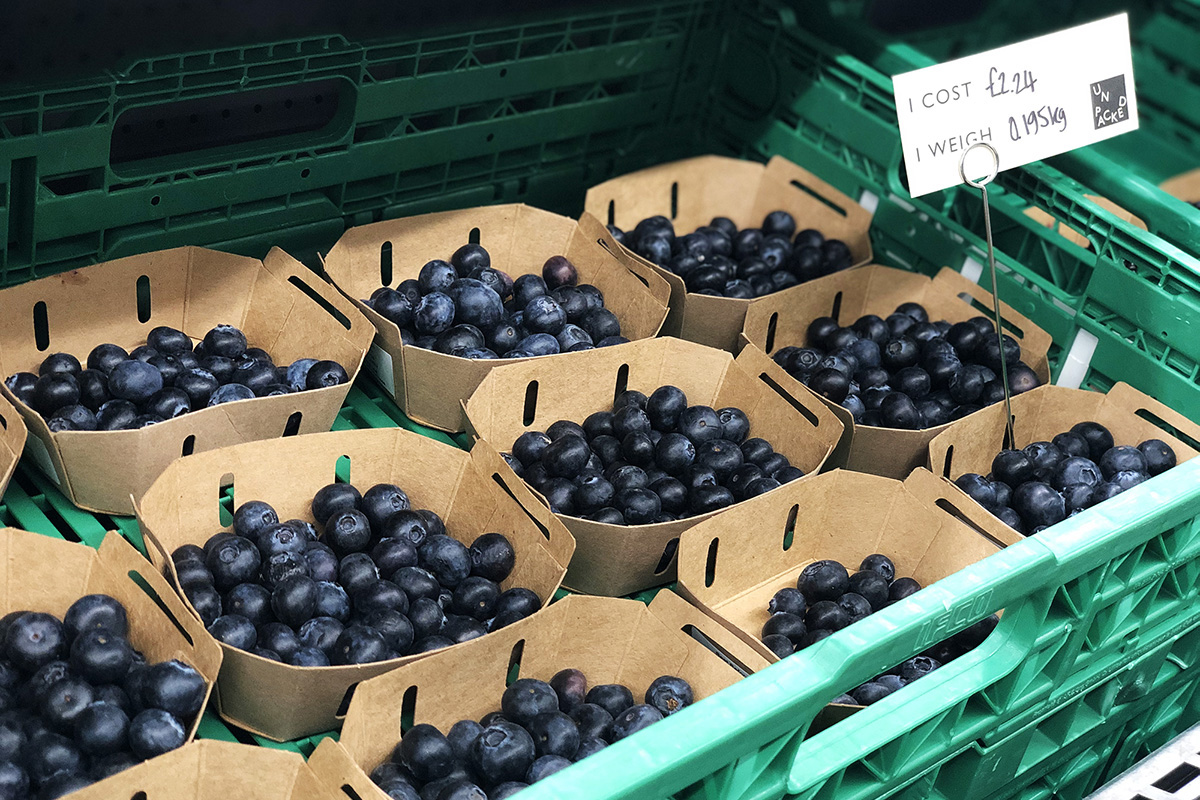
Our team are on hand to discuss how we can utilise our expertise in packaging sustainability to help fulfil your business’s unique needs. Contact us today on 01322 284455 or by emailing info@westpakuk.com.
